
How Do You Clean A DPF Filter?
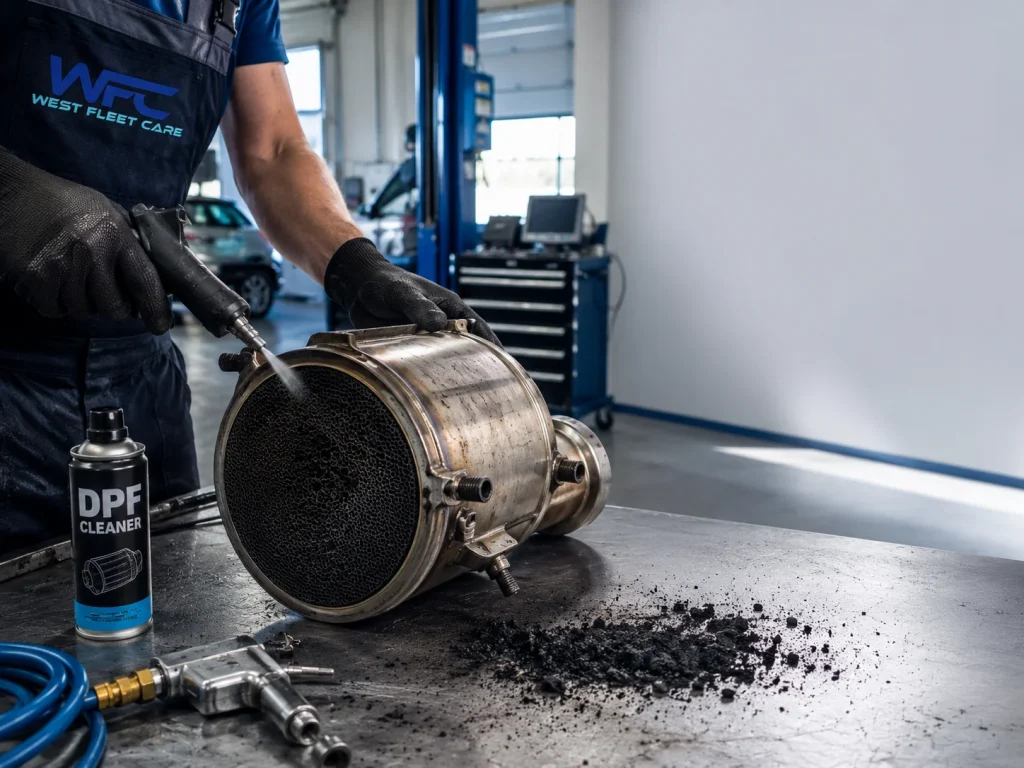
Look, if you drive a modern diesel vehicle, there must be a diesel particulate filter (DPF) tucked away in your exhaust system. Think of it as a soot trap that catches all those nasty particles before they pollute the air we breathe. These filters are pretty impressive – they’ll catch 85% or more of soot particles when they’re working properly.
Here’s the thing, though: just like your home air filter, it needs some TLC to keep doing its job. Let your DPF get too clogged, and you’re looking at 10% worse fuel economy and a hefty repair bill. That’s why every diesel owner needs to know the ins and outs of DPF filter cleaning.
What is a DPF and Why It Needs Cleaning?
Your diesel particulate filter is basically an exhaust cleaning device that grabs soot from your engine’s exhaust. But here’s the catch – it can only hold so much. The filter needs to burn off that trapped soot regularly through something called regeneration (basically controlled burning at really high temps).
Now, regeneration torches the soot, but it leaves behind ash that just sits there. Over time, this ash builds up and you’ve got yourself a problem. That’s when knowing how do you clean a diesel particulate filter becomes your best friend.
Warning Signs Your DPF’s Crying for Help
Catch these early and you’ll dodge some expensive headaches down the road.
Your Engine Feels Sluggish
When your DPF’s blocked, it’s like trying to breathe through a straw. Your exhaust can’t flow freely, so your engine has to work overtime. You’ll really notice it going uphill or trying to pass someone. Worst case? Your car goes into “limp mode” – basically crawling along to protect itself.
You’re Burning Through Fuel
Notice you’re hitting the pump more often? A clogged filter forces your engine to guzzle extra fuel just to maintain normal power.
That Dashboard Light’s Glowing
This one’s pretty obvious. When that DPF light pops on, your car’s sensors are telling you something’s up. Don’t ignore it – seriously.
Weird Smells or Smoke
If you’re getting strong odours, burning smells, or clouds of smoke, your exhaust isn’t getting filtered right.
How Do You Clean a DPF? Let’s Break It Down
The big question – how do you clean a DPF – has different answers depending on how gunked up your filter is.
Cleaning Your Filter Just by Driving (Passive Regeneration)
Here’s the easiest fix: take your diesel for a proper drive. When you cruise at highway speeds, your exhaust gets hot enough (250-500°C) to naturally burn off soot. Give it 30-50 minutes of steady highway driving and you’re golden.
Want to know how to clean exhaust filter without any fancy tools? Just hit the motorway at least every couple weeks. Simple as that.
Active Regeneration While You Drive
Your car’s pretty smart. When the DPF hits about 45-70% full, the computer takes over. It’ll inject extra fuel to crank up the exhaust temperature and burn off the soot. This is your answer to how to clean dpf filter while driving if you’re stuck in the city most days.
You’ll know it’s happening when:
- Your engine sounds different
- Fans kick on unexpectedly
- You’re using a bit more fuel
- There’s a hot, weird smell from the back
Cut your trip short? No worries – just keep driving for another 10-15 minutes above 65 km/h to finish the job.
Forced Regeneration Using Pro Tools
Sometimes your DPF needs a little extra push. That’s where forced regeneration comes in – mechanics use special gear to trigger a deep clean. The crew at West Fleet Care has all the right equipment for this.
Getting Your Hands Dirty: Manual DPF Cleaning
When all else fails, it’s time to roll up your sleeves. Here’s how you tackle cleaning dpf filter at home or in the shop.
Step 1 – Pull Out That Filter
You’ll need to get the DPF out of your vehicle. Every car’s different, but usually you’re removing some plates and grills to get at it.
Step 2 – Blast It with Air
Grab your compressed air and backflush the filter. These knocks lose a lot of the ash buildup. Just remember your safety gear – this stuff can get messy.
Step 3 – Give It a Good Rinse
Next up, hose it down with clean water. Use a high-pressure nozzle and work from both ends until the water runs clear.
Step 4 – Chemical Cleaning Magic
For stubborn buildup, specialty DPF cleaners work wonders. Some you just pour in your fuel tank – no removal needed. Others are spray-on solutions that dig deep into trapped particles. This is probably the easiest way to understand how to clean a dpf filter without major surgery.
How Often Should You Clean Your DPF?
Take care of your DPF and it’ll last 100,000 miles easy. But if you’re always doing short trips around town, you might need cleaning more often. Good diesel fuel and the right engine oil (low-SAPS type) help too. For more maintenance tips, check out our blog.
Time to Call the Pros?
Some jobs are best left to experts. Ring up a professional when:
- Your warning light goes from orange to red
- Multiple warning lights gang up on you
- Regeneration keeps failing
- The filter’s packed solid with ash
Why Professional Cleaning Makes Sense
West Fleet Care DPF cleaning service delivers:
- Filters restored to like-new condition
- Safe cleaning that won’t damage anything
- Proper disposal of the nasty stuff
- Service guarantees for peace of mind
Consider this: a new DPF runs 10,000 depending on your ride. Professional cleaning? Way cheaper and keeps your current filter running strong. Learn more about our expert truck and trailer servicing.
Frequently Asked Questions
How long’s a regeneration take?
Usually 3-5 minutes. You might not feel much different driving, but you’ll burn a tad more fuel.
Can a blocked DPF kill my turbo?
Yep. All that backpressure stresses your turbo, causing overheating, oil leaks, and eventually failure.
Is removing my DPF illegal?
Sure, is in most places. You’ll face fines, fail emissions tests, and might void your insurance.
Best way to prevent clogging?
Take regular highway drives for 30-50 minutes. Use quality low-SAPS oil and maybe toss in some DPF cleaning additive.
Do I need my DPF for inspections?
Absolutely. No DPF or a clearly clogged one? You’re failing that test. For fleet operators, we offer comprehensive mining vehicle maintenance and truck diagnostics.
Keep Your Diesel Happy with West Fleet Care
Bottom line – a clean DPF keeps your diesel running smooth and legal. The diesel pros at West Fleet Care know these systems inside out. We’ve got the specialized gear to restore your filter and save you from dropping big bucks on a replacement.
Seeing warning lights? Just want to stay ahead of problems? Give us a shout.
Contact West Fleet Care today to schedule your DPF inspection or cleaning service.