
Truck Diagnostics in Perth: The Key to Faster Servicing and Repairs
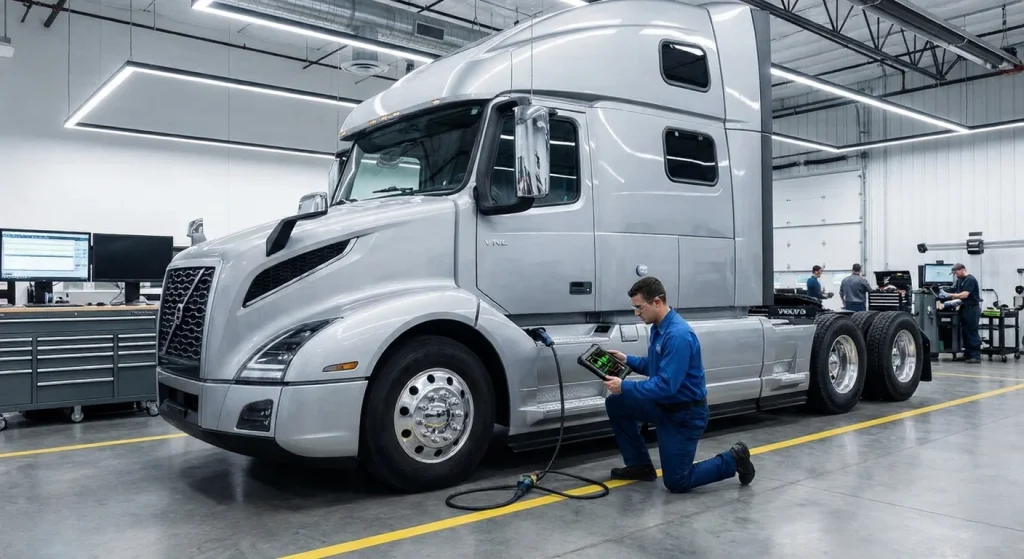
Is your truck making strange noises, flashing warning lights, or losing power? Don’t wait for a major breakdown to cost you time and money. At West Fleet Care, we help you spot problems early with fast, accurate truck diagnostics.
In this guide, we’ll show you how diagnostics play a role in quickly identify issues, saving you from expensive repairs and downtime. Whether you’re managing a fleet or just one truck, this guide will help you keep your vehicle running smoothly and safely.
Let’s dig in.
What Are Truck Diagnostics?
Truck diagnostics refer to the process of using specialised tools and software that interact with a truck’s onboard computer (ECU – Electronic Control Unit) to read fault codes, analyse sensor data, and monitor the performance of crucial truck systems such as the engine, transmission, exhaust, and brakes.
The goal is to quickly identify potential issues, run tests, and ensure that the vehicle operates at optimal performance, all while preventing costly repairs, unnecessary downtime, and improving vehicle compliance.
Why Diagnostics Are Essential for Efficient Truck Servicing and Repairs
Truck diagnostics have revolutionised how fleet maintenance and repair are conducted. The core of these systems is the Electronic Control Unit (ECU), which continuously monitors critical vehicle components and logs fault codes. These fault codes, referred to as “trouble codes,” are displayed by diagnostic tools to give mechanics clear insights into the truck’s health.
Basic diagnostic readers only display these codes, leaving the mechanic to do additional research to interpret the issue.
However, advanced diagnostic tools can instantly interpret these codes and offer detailed troubleshooting guidance. The ability to pinpoint a specific issue makes repairs faster and more efficient.
➔ Catch Problems Early
A major advantage of truck diagnostics is the ability to identify issues before they become noticeable to the driver. Modern trucks are equipped with sensors that track engine temperature, brake pressure, and fuel efficiency, sending real-time data to the ECU. Diagnosing early signs of wear prevents minor issues from escalating into costly breakdowns.
For example, if the engine’s temperature rises unexpectedly, the diagnostic system alerts the technician to investigate, saving time and preventing serious damage.
➔ Speed Up Repairs
Without diagnostics, mechanics must rely on trial and error, leading to longer repair times. Diagnostic tools streamline this by offering a direct path to identifying the issue, allowing technicians to fix the problem faster and more accurately. This reduces labour costs, improves efficiency, and ensures the vehicle is up and running as quickly as possible.
Benefits of Truck Diagnostics: Enhancing Fleet Maintenance & Operations
1- Quicker Issue Detection
Truck diagnostics allow technicians to access live data from critical systems like the engine, transmission, and brakes. Thus, they enable faster identification of the issue, leading to quicker repairs.
2- Cost Savings with Accurate Diagnoses
By pinpointing the exact cause of the problem, diagnostics prevent unnecessary parts replacement. For example, if a malfunctioning sensor is identified, only the sensor needs replacement, avoiding a costly full system overhaul.
3- Better Preventative Maintenance
Routine diagnostic scans help monitor truck health. This allows technicians to detect issues early. This proactive approach extends vehicle life and reduces unexpected breakdowns.
4- Enhanced Safety on the Road
Truck diagnostics directly impact safety by ensuring critical systems are functioning properly. For example, diagnostics can detect low brake fluid or worn brake pads, addressing these issues before they compromise safety.
How Truck Diagnostic Tools Work
Using advanced diagnostic tools like the OBD-II scanners, Jaltest, Scania SDP3, and Bosch HDS250 makes fleet maintenance becomes faster, more accurate, and more efficient.
➔ On-Board Diagnostics (OBD) Systems
On-Board Diagnostics (OBD) systems are the foundation of modern truck diagnostics. These systems continuously monitor truck performance, ensuring efficiency and safety by tracking parameters like engine speed, fuel efficiency, exhaust gas composition, and brake performance. If something goes wrong, the OBD system generates diagnostic trouble codes (DTCs) and may activate the “check engine” light. These codes are stored in the truck’s ECU (Electronic Control Unit), which can then be read by compatible diagnostic tools, helping mechanics diagnose issues quickly and accurately.
Common Tools for OBD Diagnostics:
- OBD-II Scanners: This widely used device connects directly to the truck’s ECU and retrieves fault codes, identifies malfunctions, and provides real-time data monitoring. OBD-II scanners are essential for reading and clearing trouble codes and are often the first step in diagnosing issues.
- Jaltest Diagnostic Tool: This tool is specifically designed for heavy-duty vehicles. It offers comprehensive diagnostic capabilities, including performance tracking, fault analysis, and troubleshooting for a range of truck systems. Jaltest is known for its accuracy and versatility, especially for fleet maintenance.
➔ Advanced Diagnostic Scanners
While OBD systems provide error codes, advanced diagnostic scanners allow for a more comprehensive diagnosis. These tools access data from critical components, such as the engine, transmission, suspension, and even airbag systems, helping mechanics identify issues that may not trigger fault codes alone.
Notable Advanced Diagnostic Tools:
- Bosch HDS250 Scan Tool: Known for its versatility, the Bosch HDS250 Scan Tool can diagnose a wide variety of commercial vehicle systems. It is commonly used to analyse performance, detect faults, and ensure that critical systems such as brakes, transmission, and exhaust are functioning properly.
- Scania SDP3: Tailored specifically for Scania trucks, this tool goes beyond standard diagnostics to offer system programming and in-depth maintenance checks. It’s an essential tool for mechanics working with Scania fleets to ensure everything from engine management to electronic control systems are running efficiently.
How to Diagnose Problems in Your Heavy-Duty Truck | Step-by-Step Process
Troubleshooting issues in heavy-duty trucks requires a systematic approach. Below is a step-by-step guide to help you effectively diagnose and address issues in your truck.
1- Listen to Your Truck’s Engine
Key Issues Diagnosed: Engine Fault Codes & Live Data
- Engine Noise Symptoms: Pay close attention to any unusual noises such as knocking, grinding, or rattling sounds. These noises indicate internal engine issues like worn-out components, such as pistons or crankshafts, which could trigger fault codes in the vehicle’s computer.
- Live Data Logging: By using diagnostic tools, mechanics can log real-time data from the engine, monitoring critical parameters like temperature, fuel efficiency, and pressure. Any irregularities in these parameters could point to underlying engine problems, such as overheating or misfiring.
2- Check for Warning Lights on the Dashboard
Key Issues Diagnosed: Engine Fault Code Readouts
- Warning Lights: If any warning light, particularly the check engine light, appears on the dashboard, it’s time to investigate. Modern trucks come equipped with sophisticated diagnostic systems that store fault codes in the ECU. These codes help identify which specific part of the truck is malfunctioning.
- Fault Code Retrieval: Use an OBD-II scanner or similar diagnostic tools to read these stored fault codes. The scanner not only identifies the error codes but also logs and provides a detailed report of each system’s performance, helping technicians assess the truck’s overall health.
3- Observe Engine Symptoms
Key Issues Diagnosed: Engine Fault Codes, Fuel System, Turbocharger, and Exhaust System Issues
- Loss of Power or Excessive Exhaust Smoke: A sudden drop in engine power, especially when accelerating or climbing hills, could be a sign of issues with the fuel system, air intake, or turbocharger. Similarly, excessive exhaust smoke can provide valuable insight into engine performance. Black smoke suggests an over-rich fuel mixture, often due to clogged fuel injectors or malfunctioning sensors, while white smoke indicates coolant leakage into the engine, which could signal a cracked head gasket.
- Diagnostic Tools: Advanced diagnostic tools, such as Jaltest or OBD-II scanners, can provide an in-depth look at the fuel system, turbocharger, and exhaust system. They offer precise fault codes, sensor readings, and system diagnostics that help pinpoint the exact cause of the issue.
4- Inspect the Transmission for Issues
Key Issues Diagnosed: Transmission and ABS/ESP System Checks
- Transmission Problems: Difficulty shifting gears, gear slipping, or strange vibrations while driving can indicate transmission issues. These problems can often be traced back to low or dirty transmission fluid, faulty torque converters, or worn components in the gearbox.
- ABS/ESP System Checks: Faults in the ABS (Anti-lock Braking System) or ESP (Electronic Stability Program) may cause erratic braking behavior or warning lights to appear on the dashboard. These issues could stem from faulty sensors, wiring problems, or hydraulic issues.
- Diagnostics for Transmission and Braking: Using advanced diagnostic scanners, such as Bosch HDS250 or Scania SDP3, mechanics can monitor transmission fluid levels, check for internal component wear, and evaluate ABS/ESP performance.
5- Diagnose Electrical System Problems
Key Issues Diagnosed: Electrical System & Battery Health
- Battery & Alternator Check: A failing alternator or a weak battery can lead to electrical malfunctions, affecting everything from lighting to starting the truck. If the alternator is not supplying enough voltage (typically around 14 volts), it may need to be replaced. A failing battery can also lead to stalling, difficulty starting, or power loss during operation.
- Sensor Failures: Heavy-duty trucks rely on numerous sensors for optimal performance, from fuel injectors to exhaust gas sensors. A malfunctioning sensor can cause your truck to enter limp mode, reducing power to protect the engine from damage.
- Diagnostic Tools: Using a multimeter or advanced diagnostic scanners, mechanics can check the health of your truck’s battery, alternator, and other electrical components. These tools can also identify any wiring issues or sensor failures that could impact your truck’s performance.
6- Assess the Air Brake System
Key Issues Diagnosed: Brake System Diagnostics
- Low Air Pressure or Brake System Failures: Low air pressure in the brake system could signal leaks in the brake lines or an issue with the air compressor. It is crucial to address these problems promptly, as they can compromise your truck’s stopping power, increasing the risk of accidents.
- Brake Health Checks: Regular inspection of slack adjusters and brake shoes is essential to maintaining braking efficiency. If these components wear down, your truck’s brakes will become less effective, posing a serious safety risk. Diagnostic tools can help monitor brake system pressures and identify issues like overheating or faulty ABS components.
7- Use Advanced Diagnostic Tools for a Comprehensive Check
Key Issues Diagnosed: Full System Diagnostics Including ADAS & Calibration Checks
- ADAS & Calibration: Modern trucks come equipped with Advanced Driver Assistance Systems (ADAS), including features like lane departure warnings, automatic emergency braking, and collision detection. For these systems to function properly, they must be calibrated regularly. Diagnostic tools ensure that all ADAS systems are calibrated and functioning optimally, enhancing safety on the road.
- Reprogramming & Updates: Tools like Bosch HDS250 provide the ability to reprogram truck systems, including ADAS, engine control units, and transmission settings. These tools offer the most advanced diagnostics and updates to ensure your truck is running at peak performance.
8- Analysing Results
Once all diagnostics are completed, the next step is to analyse the data. Diagnostic tools provide a comprehensive report with key data points such as temperature, pressure, and voltage levels, among others.
Technicians will review this data to understand the root cause of any issues and formulate a plan for repairs or maintenance.
9- Reporting and Recommendations
After analysing the diagnostic results, a detailed report will be generated. This report will include specific fault codes, system performance data, and a summary of any detected issues. The report will also outline recommended actions for repairs, preventive maintenance, and any necessary replacements.
10- Follow-Up Servicing
Depending on the diagnostic findings, follow-up servicing may include repairs, reprogramming, or system calibrations. Once the necessary repairs are completed, the truck will undergo a final check to ensure all systems are fully operational, ensuring the vehicle is ready for safe and efficient operation.
Tips for Effective Diagnostics of Heavy Vehicles
- Start with the Basics: Check the easy-to-miss components first, like fluid levels and filters, before jumping into more complex systems.
- Leverage Advanced Diagnostic Tools: Invest in or use OBD-II scanners and other specialised diagnostic systems for more accurate readings.
- Replicate the Issue with a Test Drive: Take the truck for a spin to identify symptoms like power loss or stalling under specific conditions.
- Don’t Hesitate to Consult the Manual or a Professional: When in doubt, refer to the truck’s service manual or contact a qualified technician.
Conclusion
Truck diagnostics are more than just a tool; they’re a game-changer for fleet maintenance. They offer a fast and accurate way to spot potential issues before they become costly breakdowns. With real-time data and advanced diagnostic tools, you can quickly identify problems, reduce downtime, and keep your truck performing at its best. Whether it’s improving safety, speeding up repairs, or saving money on unnecessary replacements, diagnostics are key to keeping your fleet running smoothly and efficiently.
Is your truck showing signs of trouble, but you’re not sure what’s causing it?
Get Your Truck Diagnosed Today and Avoid Costly Downtime
Don’t wait until a small issue turns into a major breakdown. At West Fleet Care, we provide fast and reliable truck diagnostics in Perth using the latest tools and techniques. Whether it’s a quick diagnostic scan or a full system check, our truck mechanics ensure your fleet is in peak condition and ready to hit the road.
Book Your Truck Diagnostic Now
FAQs
Q1: Can diagnostics be done onsite in Perth?
Yes, West Fleet Care offers onsite truck diagnostics across Perth. Our mobile diesel mechanics can visit your location to perform diagnostics, saving you time and avoiding towing fees.
Q2: How long does a diagnostic take?
Typically, truck diagnostics take between 30 minutes to 1 hour, depending on the complexity of the issue. More in-depth diagnostics may take longer, especially for complex systems like the transmission or ADAS.
Q3: Are diagnostics covered in regular truck servicing?
Yes, at West Fleet Care, truck diagnostics are an integral part of our routine servicing packages. Regular diagnostics during service checks help catch issues early, ensuring your truck’s performance and safety.
Q4: How much does truck diagnostics cost in Perth?
The cost of truck diagnostics varies depending on the type of diagnostic tool used and the complexity of the issue. We offer transparent pricing and you’ll receive a clear estimate before any work is done.
Q5: How often should I schedule truck diagnostics?
We recommend scheduling truck diagnostics every 6 months or around 10,000 miles, depending on usage. Regular diagnostics help catch potential problems early, reducing the risk of unexpected breakdowns and costly repairs.